About Jodi Kaplan

My Google Profile+

Cutting Prices Won’t Save Your Business

MSNBC reported recently that stores from plain to fancy are trying to outdo each other with sales this holiday season. With same stores sales dropping 15.6% at Saks Fifth Avenue and 20% at Old Navy, retailers are running scared and slashing prices. They’re reviving layaway plans, pulling merchandise that hasn’t sold after two days, and even reducing prices by up to 40% the minute the clothes hit the shelves.

But is this really the solution? Wal-Mart owns the low, low price space, but is this the right move for high-end stores such as Neiman Marcus and Saks? Whether you’re in retail, write software, or have a dental practice, there’s always going to be someone, somewhere who can charge less – eventually driving both your businesses into the ground.

Instead, try to stand out. If you’re in retail, why not offer special services to frazzled holiday shoppers instead?

* Call us with your list and we’ll shop for you. You just pick it up at our service desk.

* Expand “bridal” registries to include holiday gifts (tell your friends and family what you want, we’ll send them a coupon – this offers a “bribe” in return for something that makes the customers’ lives easier, and, as a bonus, grows the store’s mailing list).

* Start a conversation with your customers, ask them what they would like to see in the store, or what services they would like to buy

* Set up a concierge to help customers find most-wanted toys, electronics, etc.

* Offer a lounge where shoppers can take a break. Offer entertainment for small (and cranky) children.


Print is NOT dead

After the election, newspapers everywhere sold out. There were lines to buy copies, and some were selling on ebay for as much as $200! Time and Newsweek printed 100,000 extra copies, and are considering more. It seems nobody wanted a souvenir Web page printout from their inkjet.

Why the sellout? Because the news they contained was remarkable and special and people wanted a piece of history. So, the question is, how can you make your newsletter or marketing materials or product special? What story are you telling? Is it worth sharing? Worth keeping?

Are You Marketing Like McCain or Obama?

And now a few words about the election. This is not about politics, but about marketing. Regardless of who you voted for (or whether you are in the US or elsewhere), there are important marketing lessons to learn from this election.

I noticed during the primaries and the campaign, that Hillary Clinton and John McCain kept talking about themselves. It was a classic marketing mistake. They kept focusing on their years of experience, how they’ve made change, everything they’ve done, rather than the voters. They said things like, “I have experience,” “I know how to fix our economy.” Lots of “I” and “me”, but very little “you” and “we”.

Barack Obama, on the other hand, said “we”: “Yes we can”, we can change, we can hope. He brought people together in a way that the other candidates didn’t. Plus, he made excellent use of his Web site, email, Twitter, and new media tools to keep his followers engaged. He sent (as Seth Godin says) personal, relevant, anticipated messages. No robocalls, no interruptions, just permission marketing. He created a “tribe” of people who were eager to hear from him. And, he sent an email thanking every one of them after the election was over.

So, which kind of campaign are you running? Are you talking about yourself? Or, are you talking about your customers’ problems? Do you give them a reason to talk about you? Are you remarkable or average?

by Ten marketing lessons from the Barack Obama Presidential campaign

Does your site speak plain English? or gobbledygook?

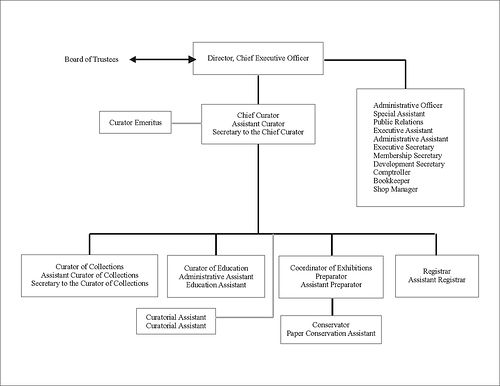
org chartEver visit a web site and feel as if it were written in some other language?  You stare it, knowing that the words you’re reading all are in English, but realizing that you still can’t understand what they’re saying. Why? Because it’s all in gobbledygook rather than in plain English.

I was reviewing a new social networking site recently and found this on the home page. It said the site’s goal was “connecting businesses with overlapping value sets.”

It made me think of a corporate HR flow chart or a bad Venn Diagram rather than a cure for a problem I was having.

And what exactly is “connecting businesses with overlapping values” anyway?

Stick to plain English

When you write the copy for your site, your email, or your brochure, use plain, simple English, not corporate jargon.  Confusing writing and unclear language will just drive people away.  It’s too hard to read, it creates too much friction, and it doesn’t help the reader solve her problem.

It’s not writing, it’s word salad.  If you teach something say that, rather than “facilitate.” You use something, you don’t leverage it.  And if everyone is at “the leading edge” than nobody is.

Spell out what people get from your product.  How it helps gain recognition or make new contacts.

Skip the gobbledygook. It only reduces your sales, makes your site less appealing, and hurts your reputation.

Your customers will thank you.


Photo thanks to zerne