
About Jodi Kaplan

My Google Profile+

Easy Ways to Get More Email Newsletter Subscribers

newsstand


What’s the easiest way to get more email newsletter subscribers? The answer may not be what you expect.  In fact, it’s dead simple, but it’s something people often forget to do.

The answer is just to ask them.  Once you do that, there are a few more steps you should take to improve the rate of sign-ups and get more  conversions.

Keep it simple

The more complicated the signup form is, the less likely people are to complete it. Limit the questions and form fill-in fields to the information you absolutely must have. If you’re going to send emails, you’ll need name, email address, and possibly industry or title (to qualify people).

Why is this important?  Here’s a real-life example of what happens when you make it hard to sign up, fill out a form, or even comment on your blog.

I just went to leave a comment on a marketing blog. They wanted my name (OK), email address, (still OK), URL (also good), and then… my occupation, my title, my state, my country, and a captcha. Needless to say, I didn’t leave the comment.

I guess they don’t really want my input if they’re going to make it that difficult for me to give it.

Make it easy to find

If you want people to sign up for your newsletter, or your offer, put the sign-up box at the top of the page (right under the header).  Heat-mapping studies show that viewers’ attention is concentrated mostly above the fold, and then in roughly an “F”-shaped pattern on your page: First, along the top, then down on the left, and into the center.

Put your sign up boxes and offers in the three places people look the most: under the header, then after the post (but before the comments section), and along the left side of your website or blog post.

Demonstrate value and use benefits

Tell people why they should sign up for your newsletter.  There’s a lot of spam out there, and people are increasingly wary of what (and who) they admit to their inboxes.  Spell out the topics you cover, the frequency of your emails, and what people will gain by signing up.

Frame your copy in terms of what your reader will get by signing up. Stress why you’re different (and how that helps your customers). Describe the headaches they have, and how you cure their pain.

Don’t forget to ask for action. Stay away from words like “subscribe” (it sounds like you want money. Use words like ‘claim’ or ‘get started’ instead. Clearly state that you respect your customers’ privacy and won’t sell, rent, or exchange their personal data.

Offer a special incentive

Give potential subscribers an extra reason to sign up.   Offer a special download or report that only subscribers have access to.  Or give them an exclusive discount offer or inside deal that is only available to subscribers.

Add an extra bonus on your thank you confirmation page. Give them a checklist or access to a short video with useful tips.

Use a landing page

Some people will be happy to sign up right away. Others may require more persuading. Add a dedicated landing page with more information about what your readers receive.  You can also use that page for your promotional efforts on social media or in advertising.

Make sharing easy

Add signup and forwarding buttons to your newsletter.  Encourage people on social networks to sign up and send your message to their colleagues and friends. Post links on your Facebook page and add signup calls to your tweets (just don’t overdo it!).

Don’t abuse the relationship

If you already have subscribers, it’s very tempting to sign them up for a new product or service. It’s soo easy to do.  But it’s not a good idea.

A few days ago, I got an unwanted email from a new marketing magazine. I was pretty annoyed. I hadn’t subscribed to a new magazine, and had no idea why I was getting the e-mail.

This was, after all, a marketing magazine. Haven’t they heard of permission marketing?

I emailed the publisher, and she told me that I had gotten the issue because I subscribed to something else they publish. They took my permission to send X as permission to send an introductory copy of Y.

Nope.

A better way to grow your subscribers

It’s perfectly OK to offer readers of one publication the opportunity to subscribe to something else. But, tell them what you’re doing. Ask specifically for the opt-in, or at least make it very clear why you’re sending the email. “For readers of X, here’s a new magazine called Y. This is a single introductory issue. If you enjoy this, please click here to subscribe.”

An email like that would have gotten my attention, reduced my irritation, and might have induced me to sign up for the magazine.

Better yet, call it a “sneak preview”. Tell your readers they’re getting an exclusive, early look at the magazine, before it’s released to the general public. Focus on limited (for a time) access and exclusivity. The offer of the magazine will seem more appealing, and you’ll get more sign-ups.

Give them control

Allow subscribers to choose preferences. Sometimes people unsubscribe not because they don’t want your content, but because they only want some of it (the X newsletter, but not the Y), or they would prefer to receive it less often.

Let them choose how often they want to hear from you and which publications they want to get. If appropriate, ask if they want reminders (about holidays or birthdays or other special occasions). By doing so, you’re getting permission to send additional, personal, relevant messages at exactly the time your customer wants to buy something!


 

Photo:laffy4k

Can You Have More Than One Niche Market?

Everyone (including me) tells you that you need a niche.   Having a clear path helps you find new customers (since you know exactly where to look) and improves your ability to focus your marketing efforts.

But, what do you do if you’ve got several, unrelated niches?  What if your business has grown organically and you’ve got some clients in the software industry, another chunk who are accountants, and a third set who sell medical devices?

Analyze your customers

The first thing to do is to review each sector and see which ones are the most profitable, and which are most likely to remain profitable.  Who’s bringing in the most revenue?  Which industries have the best potential for current or future growth.  Which ones will do well despite the recession? If not, do you gain something by retaining lower-profit sectors (such as prestige, or PR, or brand awareness). Take the customers in the areas you want to keep, and focus your efforts on them.

Break up your site

One solution is to create separate micro sites (mini Web sites) or landing pages for each one. Develop separate marketing campaigns and send visitors from each industry to the appropriate spot. Limit the content on each site to information and products that are relevant to that sector.

Create a path

Build a clear trail to guide each group to the right spot and focus them on the benefits they will receive by using your product or service. Add separate tabs for each one to your Web site:  services for software developers; services for accountants; services for medical device manufacturers.  Make them different colors so they stand out.

Tailor your message

Adjust the copy, the products, and the services in each section to fit the specific problems faced by each industry.  Use  industry-specific language (tax time for the accountants, cloud computing for the software developers) as appropriate.

Add testimonials from clients in each group, and offer informational content (articles, links to trade magazine, worksheets, etc.) designed to appeal to each of the three industries.

Photo: wrote

Get Record-Setting Results in a Recession

bubblesThe Greater Westchester Region of Hadassah (an organization that funds medical research to find cures for cancer, MS, and other diseases) had a problem. The economy was tanking and their annual gala was coming up. They count on that money to fund programs, events, and research throughout the year.

They were concerned about the down economy, so they came up with recession proof marketing strategies that worked in spite of the down economy.

Change the focus of your writing

Every year, the organization sent out two sets of letters to promote their gala event. One went out to members, volunteers, and previous donors. The other went to local businesses, asking them to buy ads in the journal program that accompanies the event or pay for event sponsorships.

Normally, these letters are written by volunteer staff. This year, they decided to have the letters written by a professional copywriter (yours truly).

The original donor letter thanked people for their generosity (good), but then went straight to what the organization wanted to get and to do (rather than what the donor would get).

The second letter (to potential advertisers) talked about the organization’s long experience, its expertise, and its fundraising goals.

All good things, but not likely to make a connection with someone reading it. The letter also assumed that people knew about Hadassah, had positive feelings about the organization, and were predisposed to place an ad in the program.

I rewrote the letters to focus less on the organization and the work they do, and more on making a connection between the reader and the organization.

Tell a story

The new donor letter started with a story: “Picture a teenager, suddenly confined to a wheelchair because of a genetic disease that caused her to shake and twitch uncontrollably.” It then goes on to describe how the doctors at Hadassah helped her — she was walking two weeks later.

Original Gala Donor Letter

New Gala Donor Letter

The letter soliciting ads for the event program was changed to a flier (since it was really a handout, rather than a letter) with the headline: Miracles Performed Daily: Support Hadassah’s research to cure Multiple Sclerosis and Parkinson’s. It goes on to describe why people should give (the teenager story), where the gift goes, and how to contribute.

Original Gala Ad Solicitation Letter

New Gala Ad Solicitation Letter

Free marketing: engage your audience: and their friends

Hadassah recognized the need to broaden its donor base and decided to honor people who’d made significant contributions (in time and effort) to the broader community in addition to those who already supported the organization. The honorees were delighted, and invited their friends and business associates. It was a free marketing strategy that brought more people and more donors to the event.

Make it fun!

There was a silent auction including: a spot in the pit at a Daytona race; a private plane ride, with lunch, roundtrip to Nantucket from New York; and a brunch basket with bagels, cream cheese, and home made gravlax. Plus, “gambling” (proceeds to the charity), and a mystery balloon pop. Buy a balloon for $50, and get a prize worth up to $100.

I promised not to share the details of how much money they raised, but it was the most successful event the region has ever run.

Photo: gaeten lee

Build Your Business With Free Information

free signEveryone likes free stuff. Whether you’re sending a mailing, an email message, or creating a newsletter, the promise of free tools or content will make your message more appealing.

Choose something your prospects will be interested in. Give it a catchy name, and include information that will help your prospects make better decisions or accomplish a tough task.

For instance, if you sell insurance, create a workbook with “8 Things Your Small Business Insurance Agent Doesn’t Want You to Know”. A travel agent specializing in trips to exotic places could offer a checklist of travel tips (vaccinations, hot spots, visas and paperwork – and advice on how to reduce red tape when traveling). You can make a pdf and upload it to your site.

Offer a free teleclass. You can either lead it yourself, or invite other experts to join you. Record the class and use it for future marketing.

Create an email autoresponder class offering a series of tips on how to play your video game, use the new email software your client just bought, or boost referrals. It’s a good way to engage your audience, and you can set it up so it’s automatic.

Another tactic is to create a free video. Demonstrate how to do something (create a report) or give tips on avoiding common Web marketing mistakes.

Start with free information, then build up to a small purchase (such as an ebook, customized video, or brief consultation).  Then offer those paid customers the opportunity for a longer consultation (or series of consultations) or a paid seminar.

Here are some tools to get you started.

Content Creation Resources

PDF software

Mac

Comes standard with Mac software. Just click Print/Save as PDF

PC
($29)
http://www.pdfforge.org/products/pdfcreator (Free)

Audio Recording Software

http://www.freeconferencecall.com (free)

Audio File Editing Software

Mac

Garage Band (ships with your Mac).
PC
http://audacity.sourceforge.net/ (free)

Autoresponders and Email Newsletters

AWeber (Full disclosure: I’m an affiliate of AWeber)
Exact Target
iContact

Screen Recording Software

Mac
http://www.telestream.net/screen-flow/overview.htm ($99)

Both PC and Mac
http://www.jingproject.com/ (Free)

PC
Camtasia (www.techsmith.com) ($299, but there’s a free trial)
(Mac version in development)

Photo: koka sexton

Which Marketing List is the Best?

list search results

I just did a quick search on Google for marketing lists and got back 147,000,000 links!
There are lists for everything: poultry farmers, IT managers, even caulking system buyers. With all those possibilities, how do you find the right one? Look at the price? The size of the list? And does it matter?

Why is the list important?

The list accounts for 40% of your return. The wrong list will wreck your response rate, and the right one will start the money rolling in. A list of poultry farmers would be a great target for a new kind of incubator, but IT managers would toss it right in the trash.

Plan ahead

  • Check your budget (how much do you have to spend on lists, printing, mailing)
  • How many people do you need to reach to get the results you want (based on past mailings if you have them)
  • What do you want to accomplish? Are you looking for leads or do you want sales?
  • What will you offer?
  • Who is your target audience?

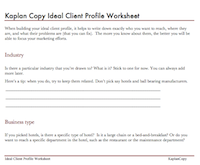
First, check your ideal customer profile. This will considerably narrow down the selection of lists. If you want IT managers of Fortune 500 companies, you can ignore lists of yoga practitioners, racetrack operators, or new homeowners.

Types of lists

Physical lists/email lists

There are several different kinds of lists (compiled, subscriber, email, and mail order buyers). Each mailing list has a data card (like a biography), that gives you all the vital statistics about the list: how big it is, titles of the people on it, average order size, etc.). Match up the information against your current customers.

Online “lists”

A list doesn’t have to be a physical file or spreadsheet. It can be Facebook users, Fox News web site visitors, or people who click on your AdWords ad. Each has its own demographics, interests, and problems. The people visiting Fox News are likely to have different opinions, for instance, than those heading to MSNBC.

Whether it’s made out of paper or pixels, the most productive list will be one with people who fit your ideal customer profile and who have already responded to offers similar to yours. If you’re promoting an IT meeting, you’ll want people who have attended related events.

List pricing

If someone promises 1,000,000 names or visitors for $10, run (don’t walk) as fast as you can. The information will be useless. These are likely to be names that have been stolen, scraped, or obtained by subterfuge.  Don’t use them!

Legitimate list prices are calculated in $ per thousand names offline and CPM (cost per thousand views) online. Ask for click-through rates, and find out what other kinds of businesses and ads have been successful.

Choose, not by absolute price, but by the best fit with your target market. If you’re looking for new businesses, a list of recent architecture grads won’t help you, but a list from your local town hall of newly registered business names will.

Got questions about choosing a list? Ask them here.