What Did You Want to Sell Me?

David Meerman Scott pointed out this video:

Before you start selling, you’ve got to build up credibility. You’ve got to answer the questions swirling around in your prospect’s mind:

Who are you?
Why should I believe you?
What are you giving me?
Why should I care?

If you want to break into a new market or start selling new products, you’ll have to establish trust first. Emailing people you don’t know, or producing four-color media kits (printed or electronic) won’t get you in the door. Neither will spewing way too much information about your eating habits on Twitter. Don’t assume everyone (the press, the public, your potential customers) are sitting around waiting anxiously for your call. They don’t want “you”, what they do want is a relationship with someone they trust to solve their problems.

What’s Your Secret Identity?

Do you have a secret identity? You may think your business is straightforward: you may appear to be a mild-mannered animator, but what you’re really selling is memories, laughter, and happiness.

What are you really selling?

Kodak used to sell film and slide carousels – but they were really in the business of selling memories and nostalgia.

The average auto body shop looks like they’re in the car repair business, but they’re not really selling mufflers and tires, they’re selling peace of mind.

Water filter companies think they sell filters and pumps (it’s really safety).

Graphic designers think their business is colors and images (it’s really sales).

Are exhibit designers in the building and design business? No, they’re in the sales business too – to attract more customers, visitors, and attention at trade shows. They’re selling, buzz, excitement, and pizazz.

Video producers sell engagement and attention (not words and pictures).

What business are you really in?

Photo:chanchan222

Blog Post Emails: Now with Titles

Darren Rowse kvetched, everybody wins. About a month ago, Darren (of ProBlogger, which I highly recommend you read to learn how to be a better blogger), suggested that it would be great if the posts that blog subscribers get via email included the title of the post, instead of just the name of the blog.

Well, apparently, Google/Feedburner listened. So, instead of just seeing “Fix Your Broken Marketing” the email subject line should include the title too; in this case “Emails: Now with Titles: Fix Your Broken Marketing”. This will give you a better idea of what’s in the email, and help you search through your saved emails to find a particular topic.

I also discovered that I can adjust the time of day that posts are delivered. From now on, they should be sent earlier in the morning (instead of late at night, which was the default).

Let me know if this works!

5 Benefits of Building an Online Community

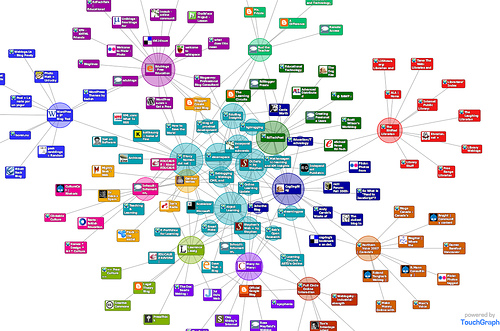
online community mapRemember yesterday’s post about the worst marketing email ever? The marketer who framed his pitch in terms of what he’d get (a great vacation) and offered his customers a measly $25 gift card in return for their referrals?

What if he’d built a community instead? According to Marketing Sherpa (7/2/09), creating a place where your customers can interact with each other (as well as with you) can have unexpected benefits.

Benefit #1: Better Customer Support

Depending on your business, you can offer additional documentation, a Q&A forum, or tips on how to use your product. Imagine a design studio that explained ways to save money on logo design costs, or a videographer who offered a checklist of the top ten questions you should ask before you hire her (or anyone else).

Benefit #2: Advance Community Input on New Products

The ability to ask community members to review early-stage new products, essentially building your own set of beta testers. You can match features with needs, and steer clear of offerings that nobody wants.

Benefit #3: Encourage Contributions

Allowing members to share how they use your product. Let members post their own questions (and answer them). You can also step in and offer helpful advice (skip the sales pitch, just solve problems).

Benefit #4: Look Good to Search Engines

Regular updates boost your site’s search engine ranking, and generate keyword-rich content.

Benefit #5: Fill the Sales Pipeline

The interaction allows prospects to learn more about your company and your products in a friendly environment. This will boost trust, increase your credibility, and generate leads.

Build the relationship first, then you can ask for the sale.

The Worst Marketing Email. Ever.

public stocks punishmentYesterday, Mark posted this email that he received on June 19th. It should win some sort of prize for the worst marketing email. EVER!

“I know I have reached out to many of you before about this, but I wanted to make sure you all were aware of what I’m offering. Next Wednesday, June 24th is the end of XXXX fiscal year for 2009. Thursday, June 25th starts our new fiscal year (2010). As of today I am qualifying for our annual trip (XXXXXXXXXX) at XXXX which this year it’s in Ireland. I am 3 accounts away from making it happen. I am giving anyone who refers me a company (new or existing) that signs and starts XXXX by next Wednesday the following options:

· If you’re a client a FREE MONTH OF SERVICE
· If you’re a client or a prospect you’ll get a $25 Gift Card (to wherever you’d like) for a company that processes on a Monthly/Quarterly basis
· If you’re a client or a prospect you’ll get a $50 Gift Card (to wherever you’d like) for a company that processes on a Bi-weekly/Semi-Monthly
· If you’re a client or a prospect $100 Gift Card for a company that processes on a Weekly basis”

It’s all about him!

So, let’s see, the account exec gets a trip to Ireland, and the client gets… a $25 gift certificate. Whoever wrote this is completely focused on his own potential reward. If I received this email, not only would I not sign up, I think I’d unsubscribe, and cancel my account if I had one!

The purpose of a marketing email, or a Web site, or a brochure is to help your clients and prospects solve their problems, using your solution. You are there to help them save money or time or effort, and your marketing should reflect that.

I don’t know what this person was selling, but I bet he didn’t sell much of it from this email.

Better ways to spread your message

However, rather than closing this on a sour note, here are some better ways to connect with your prospects, and then get more sales.

a) regularly offer discounts (or significant rewards) in return for referrals – not just when he wants something
b) remarkable products or services that lead to word of mouth marketing (which is free, permission-based, and relevant)
c) create a tribe of fans with outstanding service (we’ll fix your problem in 24 hours or your monthly service is free)
d) send regular updates on better ways to use his product (developing a relationship with his customers, instead of shouting at them).

What would you suggest?